Article: How to Start a Wallpaper Company
How to Start a Wallpaper Company
Your roadmap to launching a wallpaper brand
Wallpaper is back in a big way! This time, independent designers are leading the charge. Renters love removable peel-and-stick walls, homeowners want statement patterns, and interior designers want fresh collections they can’t find in big-box stores. If you’ve been thinking about launching your own wallpaper line, you’re stepping into a market with real momentum.
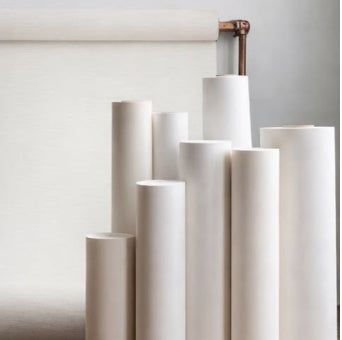
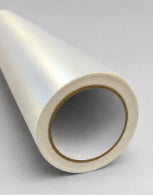
We’re a blank wall media manufacturer. We do not print your designs for you. Instead, we supply the print-ready blank material that wallpaper brands need to produce printed wallpaper in-house with wide-format printers. Our blank rolls include 10 mil and 17 mil options with either removable peel-and-stick media or non-adhesive rolls for use with paste. Color finishes include white and metallic options gold iridescent and silver. You bring the artwork and the printing operation, and we provide the material.
Below is a step-by-step guide on how to start a wallpaper company the right way, legally, creatively, and operationally.
SHARE:


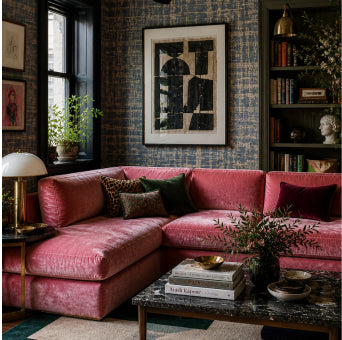
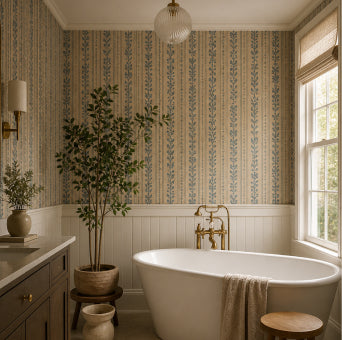
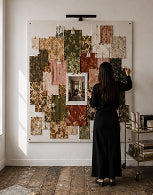
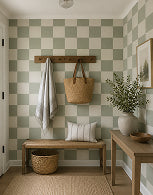
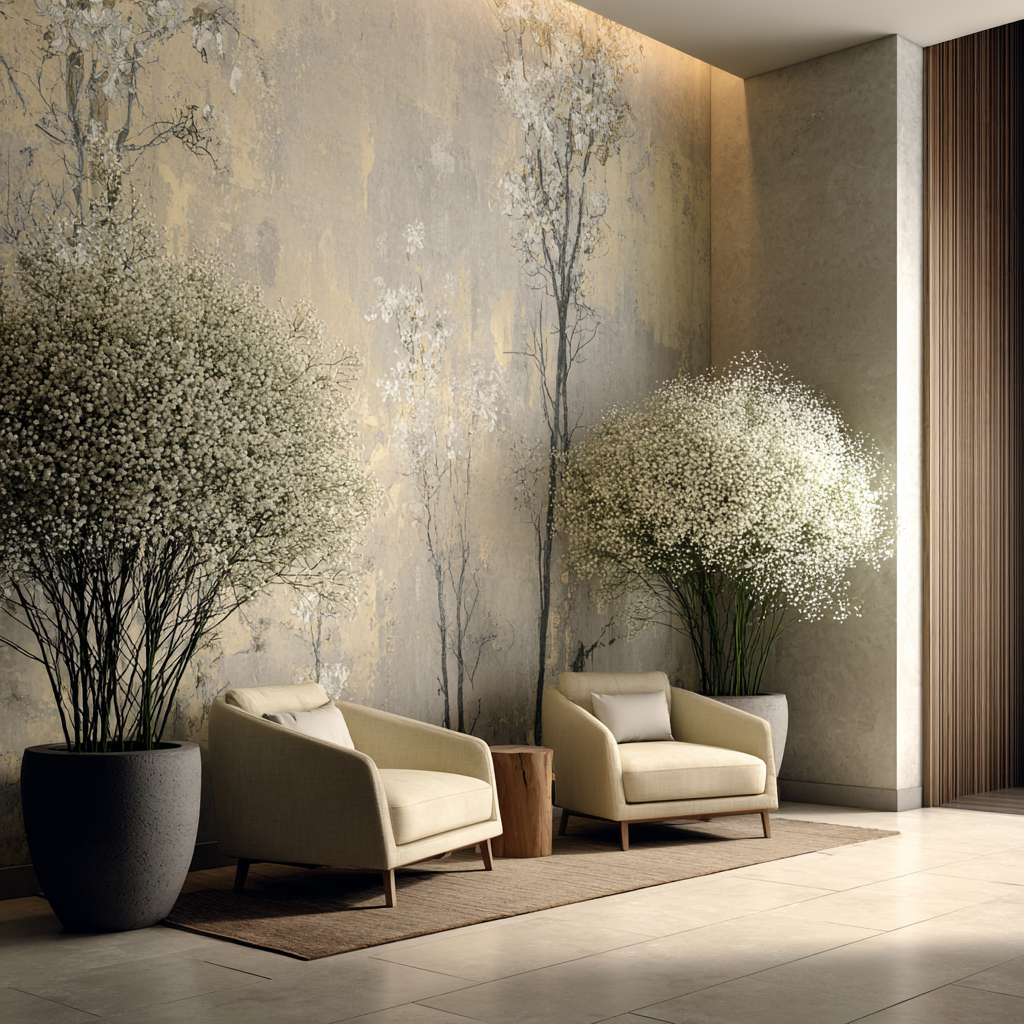
 A well-styled interior paired with a beautifully designed wallcovering shows how premium wallpaper can define a space featuring quality, craftsmanship, and a clear design vision, all of which are key when building a successful wallpaper company.
Step 1: Set Up Your Wallpaper Business Legally
Before you sell a single roll, get your business foundation in place. This isn’t just about being “official.” It protects you, makes wholesale easier, and prevents tax headaches later.
Here’s the typical legal checklist for starting a wallpaper business in the U.S.:
- Choose a business structure, usually:
- LLC (common for small wallpaper brands because it separates personal and business liability)
- or Corporation (if you plan to raise money or have multiple owners early)
- Register your business name with your state.
- Apply for an EIN (Employer Identification Number) through the IRS, even if you don’t have employees yet.
- Get a local business license from your city for manufacturing or retail sales.
- Set up a sales tax permit / resale certificate to collect and remit sales tax and to buy materials wholesale.
- Open a business bank account and keep finances separate from day one.
- Consider business insurance, especially:
- general liability
- product liability
- property coverage for your printer and inventory
This step isn’t the fun part, but it is the part that keeps your brand safe and scalable. There are resources online to help facilitate this part of the process, such as Bizee and LegalZoom.
Step 2: Choose Your Wallpaper Business Model
Your model affects everything that follows from printer choice to materials to pricing.
Most wallpaper startups fall into one of these lanes:
-
Designer/Artist DTC Brand
You sell directly online. This model thrives on strong visuals, social media marketing, and frequent drops. -
Interior Design Studio Line
You sell to clients and trade buyers, often at higher price points with custom runs. -
Boutique Retail / Private Label
You curate collections or license designs, then print and fulfill in-house. -
Local Print Studio
You print for your own brand and possibly for local designers.
Pick the style of business that matches how you want to work, not just how you want to sell.
Step 3: Define Your Niche and Signature Style
Wallpaper buyers shop by feeling first. Your niche helps set you apart.
Your niche should answer three things clearly:
- Who is this for?
- Where will it be installed?
- Why is your brand the right fit?
That clarity becomes your SEO strategy, your product roadmap, and your visual identity.
Step 4: Source Blank Wall Media Materials
Material is not an afterthought, it is the wallpaper experience. The same design can feel budget or premium depending on what it’s printed on.
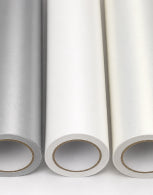
Our premium, print-ready wallcovering rolls are engineered from high-grade polyester in 10-mil and 17-mil options, delivering exceptional durability and a luxurious finish. Unlike lower-value vinyl alternatives, our substrates elevate your designs into true statement pieces, helping your brand stand out with quality that customers can see and feel.
-
Peel-and-Stick Removable Adhesive Media
This option has become a favorite among homeowners and design professionals because it doesn’t damage walls or require scraping and resurfacing when it’s time for a change, whether that’s in six months or ten years. PrestoTex offers flexibility, functioning as either a temporary or permanent wallcovering. -
Non-Adhesive Media
Although peel-and-stick wallpaper is the popular choice today, some customers still prefer non-adhesive wallcoverings designed for traditional paste application. - Finish Options
- White
- Gold Iridescent
- Silver
One pattern on multiple finishes is a fast way to expand your catalog without increasing your workload. Metallic and iridescent bases can make your brand stand out as a unique offering for premium lines and accent walls.

Adhesive-Backed Peel-and-Stick Print Media
PrestoTex is removable and repositionable with a peel-and-stick backing making it a breeze to install and remove. Try a sample roll.
SHOP SAMPLE ROLLS
Step 5: Invest in Wide-Format Printers for In-House Printing
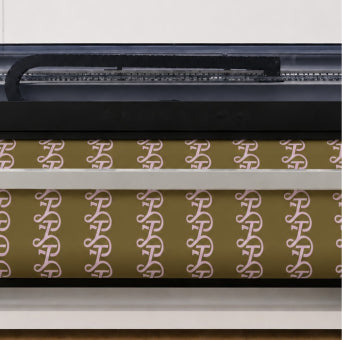
In-house production gives you control over quality, color, speed, and margins, and it lets you test new patterns without risking large inventory runs.
When shopping for wide-format printers for wallpaper creation, prioritize consistency over hype. Wallpaper is unforgiving: a tiny repeat mismatch or slight color drift will show across the wall.
Look for equipment with:
- dependable color stability
- strong media handling for thicker wall substrates
- a width that fits your panel/roll format
- ink compatibility with wall media
- ICC/profile support so your colors stay repeatable
A smart way to start is one dependable machine, a tight color-managed workflow, and a lot of test prints to learn your process deeply.
Industry tradeshows such as Printing United and ISA International Sign Expo offer an excellent opportunity to compare multiple printers side by side, gather pricing details, and speak directly with manufacturer representatives to evaluate features and understand how each option can support your business goals.
Step 6: Build a Small Launch Collection
You don’t need a huge catalog to start a wallpaper business. You need a coherent first collection that shows your point of view.
Aim for:
- 5–12 patterns
- 1–3 colorways per pattern
- a mix of small-scale + statement scale
Think like a stylist: each design should feel like it belongs in the same “world.” Buyers often purchase multiple rooms once they trust your aesthetic.
Step 7: Prep and Test Your Files
Wallcovering files are engineered systems, not just art. Repeat accuracy is everything.
Your file workflow should include:
- seamless repeat testing at full scale
- 300 DPI at final output size
- CMYK setup or printer-profile guidance
- controlled naming for patterns/colorways
- real-world print + wall testing
Print small prototypes, install them, and check repeat alignment, scale, and color in real lighting before launching.
Step 8: Create a Sample Program
Samples drive conversion in wallpaper more than almost any other product category. People want to feel the texture and see designs in their own space.
Offer free or low-cost samples, swatches with free shipping. Consider bundle offers such as five samples for $5 with Free Shipping.
Customers who sample buy faster, buy more, and return less.
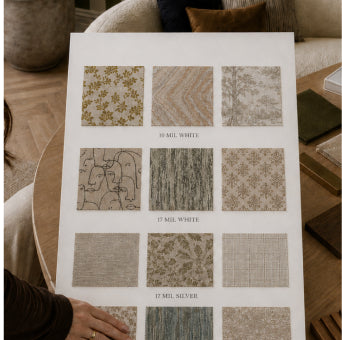
Sample Our Swatch Variations
Request a free sample swatch book to see our 10 mil white and 17 mil white, gold iridescent, and silver swatches in person. Feel the texture, see the metallics shimmer, stick them to a wall, reposition them around the room. When youre ready, order a sample roll to test print.
Request a Swatch Book>Step 9: Launch Your Business
Most beginners start with Shopify or Etsy because it’s fast, flexible to get set up, and lets you learn what sells. Your pricing must reflect the full cost of in-house printing, including materials, ink, test runs, labor, packaging, shipping, and marketing.
Step 10: Market Wallpaper Like a Room Story
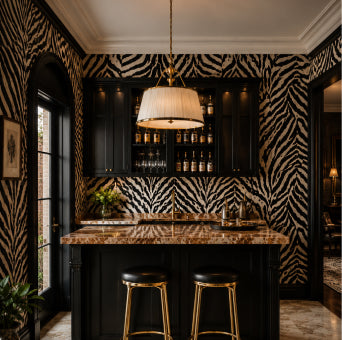
Wallpaper sells through spaces, not flat product shots. Your goal is to help customers imagine the wall in their home.
Content that performs best:
- styled room photography
- install videos and reels
- close-ups of texture and finish
- before/after transformations
- Pinterest pins and keyword-optimized mockups
SEO tip: build product pages around specific phrases people search, like:
- “blue floral peel and stick wallpaper”
- “gold metallic accent wallpaper”
- “removable wallpaper for apartments”
Step 11: Scale What's Working
Once you have real sellers, scaling becomes easier. You expand proven designs instead of constantly reinventing.
Ways to scale include:
- add colorways to bestsellers
- release limited metallic drops
- introduce murals or larger panels
- build a trade/installer program
- upgrade printer capacity as demand rises
The healthiest wallpaper brands grow by doubling down on customer-validated hits.
Final Takeaway: Print the Vision
If you’re serious about starting a wallpaper company, the winning formula looks like this:
- get your LLC and licenses in place
- define a customer niche
- launch a tight collection
- print in-house with wide-format equipment
- source consistent, premium blank wall media
- sample, market, and scale based on what sells
We can support the substrate side of your business with print-ready blank rolls in removable, peel-and-stick adhesive, non-adhesive traditional bases, and finishes such as white, gold iridescent, and silver. You handle the designs and printing. Together, that gives you complete creative control and a production foundation you can scale.